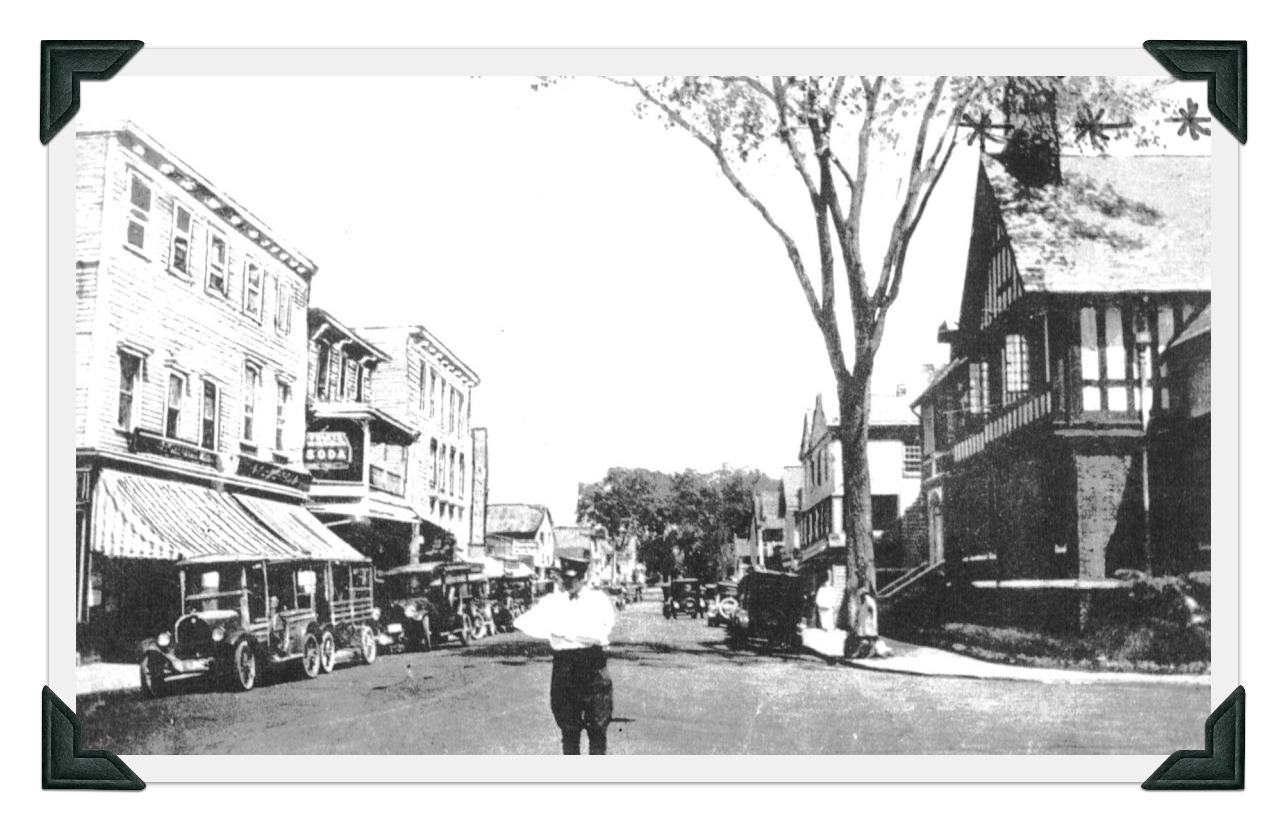
In 1907, a small group of Westport Women organized for the purpose of cleaning the town streets, caring for and planting trees and laying sidewalks. They called themselves “The Women’s Town Improvement Association”, later the name was changed to The Westport Woman’s Club.
The programs the Woman’s Club has initiated to the town are numerous. The “greening of the Post Road” and Canal Park are but two firsts. The Visiting Nurse Service was started in 1925 and funded by the Club for 35 years when it was turned over to the town in 1960. Free dental clinics, vaccination clinics, well-child clinics, tuberculosis campaigns, free milk distribution, polio saliva tests, a lending service of sickroom equipment – all these were inaugurated by the Club.

The Club pioneered classes for children with learning disabilities by conducting experimental classes with a trained teacher and volunteer for three years until the program was integrated into the local schools. The Club has worked closely with the schools on many projects from the earliest years and presently awards academic scholarships to deserving students. It was the Club that introduced the idea of “visiting teacher” to consult with parents, the counterpart of today’s Guidance Counselor. It also gave Westport its first school nurse, dental hygienist and district nurse.
In 1975 the Club started an Emergency Food Distribution Program for the local needy under the leadership of Westport Department of Human Services. It is now known as the Food Closet and continues to this day.
In sum, the Westport Woman’s Club has a successful history of answering calls for “help where needed” and in recognizing areas of need before calls for help go out.
The House
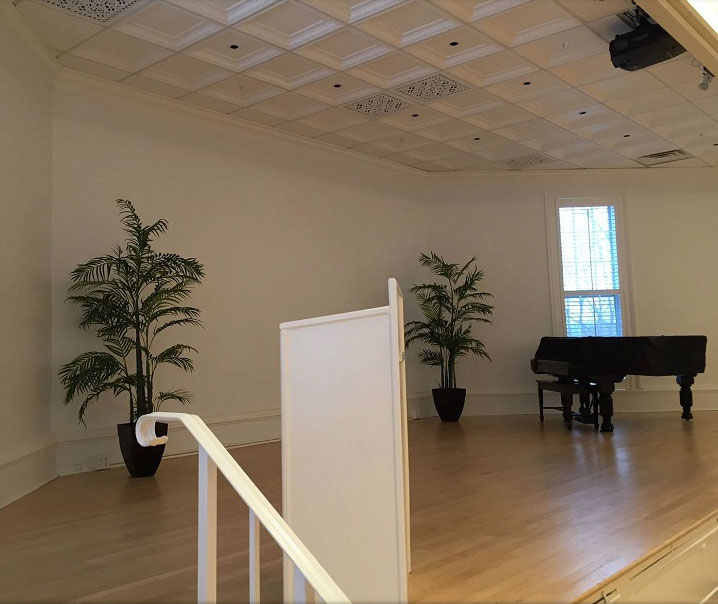
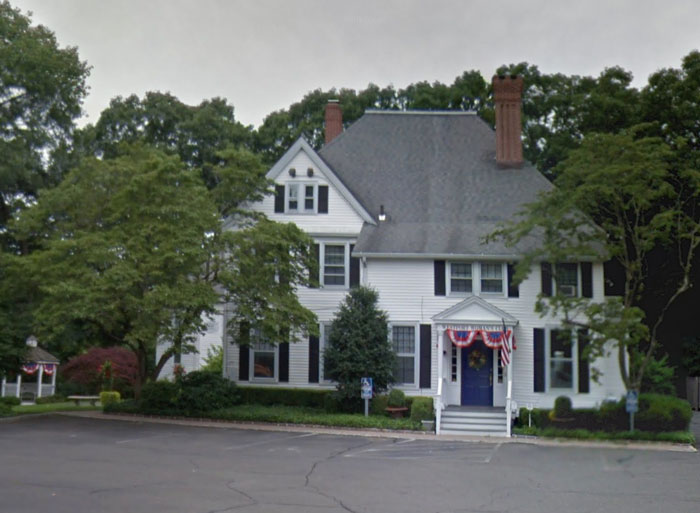
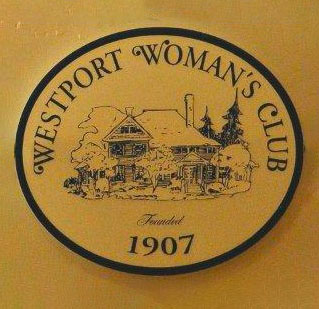
In 1948, the Club acquired its own Clubhouse, the 1881 Sidney Watts house. This gracious old house on Imperial Avenue grew in 1950 with the addition of the “Sunday school meeting house” of the Saugatuck Congregational Church. It is now the Club’s auditorium and meeting room for the monthly meetings. To help defray some of the costs of maintaining an historical house, it is rented to members and non-members for a variety of functions throughout the year. Also various philanthropic, educational and civic organizations have been encouraged to use the facilities.